
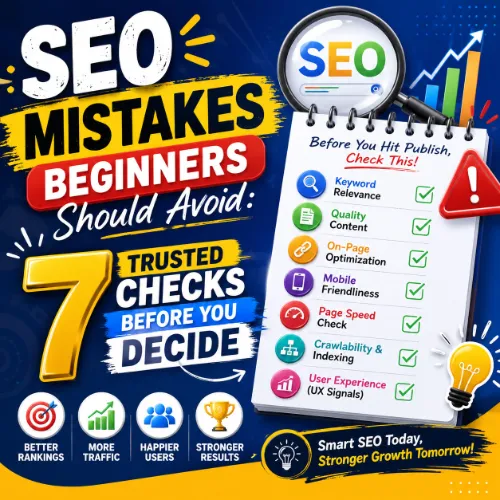
SEO mistakes beginners should avoid Key Takeaways
When I first started learning SEO, I believed that stuffing keywords into every paragraph and buying a handful of cheap backlinks would rocket my site to the top of Google.
- Understanding the difference between ranking factors and SEO myths is one of the first SEO mistakes beginners should avoid .
- Focus on user intent and quality content rather than keyword density or exact-match domains.
- Regular site audits and patience with link building will save you from penalties and wasted effort.
What Every Learner Should Know About SEO Mistakes Beginners Should Avoid
When I first started learning SEO, I believed that stuffing keywords into every paragraph and buying a handful of cheap backlinks would rocket my site to the top of Google. Spoiler alert: it didn’t. I spent months recovering from a penalty and rebuilding my site’s reputation. That’s the reality for most newcomers. The landscape of search is constantly shifting, but the core mistakes remain surprisingly consistent. Let’s walk through the 10 things I wish someone had told me before I dove in. For a related guide, see 13 SEO Mistakes Killing Your Traffic in 2026: Avoid These Now.
1. Ignoring Search Intent Is a Critical SEO Mistake Beginners Should Avoid
Keyword volume is tempting. But targeting “best running shoes” when your article is actually about shoe reviews won’t help you rank. Google understands what people want behind their searches. If you match the intent—informational, navigational, commercial, or transactional—you’ll rank faster. Tools like Ahrefs show you the “parent topic” and the typical content format that ranks. Use that data.
How to Match Intent
Check the top 10 results for your keyword. Are they blog posts, product pages, or videos? If the SERP is full of buying guides, don’t write a list of definitions. Mirror the format and answer the question better.
Takeaway: Always analyze the SERP before writing a single word. Intent is non-negotiable.
2. Over-Optimizing Anchor Text Is an SEO Mistake Beginners Should Avoid
Early on, I used exact-match anchor text for every backlink I built. Google’s Penguin update punished that hard. Today, a natural mix of branded, generic, partial-match, and even naked URLs is essential. Over-optimization screams “manipulative.” Focus on earning links because your content is valuable, not because you negotiated a placement with perfect keyword text.
Takeaway: Let your anchor text flow naturally. Aim for dofollow links from relevant sites with varied anchor text.
3. Skipping Technical SEO Checks Is a Hidden Mistake Beginners Should Avoid
Content is king, but technical SEO is the throne. I ignored site speed, broken links, and duplicate content for months. The result? Google crawled only half my pages. A simple site audit using a tool like Ahrefs (check for crawl issues and indexability) can reveal problems like redirect chains, missing canonicals, or slow Core Web Vitals. Fixing these often yields quick wins.
Takeaway: Schedule a monthly technical crawl. It’s the foundation everything else rests on.
4. Relying on Generic Keyword Research Is an SEO Mistake Beginners Should Avoid
Keyword difficulty (KD) and search volume are useful, but they’re not the whole story. I once targeted a low-competition keyword with 300 searches a month. It drove almost no traffic because nobody actually clicked through to read. Look at traffic potential and the presence of SERP features like featured snippets or People Also Ask. Those signal real user engagement.
Takeaway: Prioritize keywords with a mix of decent volume, low KD, and clear SERP features you can target.
5. Ignoring On-Page Content Structure Is a Common SEO Mistake Beginners Should Avoid
I used to write walls of text without any subheadings. Search engines rely on your H2s and H3s to understand the page structure. Break your content into logical sections, each supporting the main topic. Use descriptive headings that include related keywords and answer specific questions. This helps both readers and algorithms.
Takeaway: Every H2 and H3 should clearly outline a subtopic. Avoid vague headings like “More Info.”
6. Building Links Too Fast Is an SEO Mistake Beginners Should Avoid
Link velocity matters. When I first started, I built 50 links in one week. Google flagged my site as suspicious. Accumulate backlinks at a natural pace. Focus on earning links through guest posting on niche-relevant sites, broken link building (find dead pages on authority sites and suggest your resource), and building relationships. Quality beats quantity every time.
Takeaway: Aim for 5–10 high-quality referring domains per month, not hundreds of low-quality ones.
7. Neglecting Competitor Analysis Is an SEO Mistake Beginners Should Avoid
I used to think SEO was just about my own site. But understanding what your competitors rank for reveals critical gaps. Use a tool like Ahrefs’ content gap feature to find keywords your rivals rank for that you don’t. Then, create better content targeting those topics. This is one of the fastest ways to grow.
Takeaway: Run a competitor analysis every quarter. It’s like having a map of unknown treasure.
8. Forgetting About Local SEO Is a Mistake Beginners Should Avoid
Even if your business serves a national audience, local SEO signals matter. I ignored local packs and city-specific keywords. For service-area businesses, that’s a huge miss. Claim your Google Business Profile, gather local reviews, and build citations on local directories. Even a simple “best coffee shop Austin” query shows a local pack prominently.
Takeaway: If you have a physical location or serve specific regions, optimize for local searches from day one.
9. Expecting Immediate Results Is an SEO Mistake Beginners Should Avoid
SEO is a marathon, not a sprint. I remember refreshing rankings 10 times a day. That anxiety is real, but it’s counterproductive. Google’s sandbox effect, indexing delays, and algorithm updates mean that even great content takes time. Use the first few months to build a solid content library and a modest link profile. The traffic will come.
Takeaway: Set realistic expectations. Most pages take 3–6 months to reach peak rankings.
10. Not Measuring What Matters Is an SEO Mistake Beginners Should Avoid
I used to track keyword rankings and nothing else. But rankings are vanity metrics if they don’t lead to organic traffic, leads, or conversions. Monitor organic traffic, traffic value, and top pages by traffic. Use UTM links or goals in Google Analytics to see which pages actually drive business results.
Takeaway: Define your KPIs before you start. For most businesses, organic leads or sales matter more than position 1 for a fluffy keyword.
SEO Entities and Their Functions
Understanding the entities behind SEO decisions helps you avoid guesswork. Here’s a quick overview of the key entities and what they do:
- Website / Domain entities (root domain, subdomain, URL-level analysis) help you isolate performance issues by site section. If your blog at blog.example.com has a crawl error, it won’t affect your main domain’s rankings.
- Keyword entities (organic keywords, keyword difficulty, search volume, traffic potential) reveal not just demand, but also whether you can realistically rank and how much traffic a page could earn.
- Backlink entities (referring domains, dofollow/nofollow, broken backlinks, new/lost links) tell you the quality, risk, and growth pattern of your link profile. A sudden spike in lost links could signal a site removal or a penalty.
- Page entities (top pages by traffic, best by links, broken pages) show which URLs are winners and which need a fix. Broken pages with good backlinks are prime opportunities for redirect 301.
- SERP entities (featured snippets, People Also Ask, local packs) inform you which content format—list, table, paragraph—Google is rewarding for a given query.
- Technical SEO entities (crawl issues, redirect chains, Core Web Vitals, duplicate content) are the roadblocks that prevent your best content from ever being evaluated.
- Competitor entities (competing domains, content gap, link intersect) give you actionable targets: content topics to create, broken links to reclaim, and keywords to attack.
- Metrics entities (DR, UR, traffic value, organic traffic) are the scoreboard. Use them to track progress and identify priority pages for link building.
Each entity type is a lever. Use them together to make better decisions about where to invest your time.
Conclusion
Learning SEO is rewarding, but it’s full of traps that can waste your time and even harm your site. The SEO mistakes beginners should avoid are often the same ones that trip up even experienced marketers: ignoring user intent, building low-quality links, skipping audits, and expecting overnight success. By keeping these 10 lessons close, you’ll build a strategy that’s both effective and sustainable. Keep learning, keep testing, and most importantly, keep creating content that genuinely helps people. For a related guide, see 11 Affiliate SEO Mistakes That Kill Revenue – Avoid These Now.
Useful Resources
For deeper research on keyword intent and SERP analysis, visit Ahrefs’ guide to keyword research. For a technical SEO starter checklist, check out Google’s SEO starter guide.
Frequently Asked Questions About SEO mistakes beginners should avoid
What is the biggest SEO mistake beginners should avoid?
The biggest mistake is ignoring search intent. Creating content that doesn’t match what users expect to find wastes both your time and Google’s trust.
How long does it take to see results from SEO?
Most beginners see meaningful organic traffic growth between 3 and 6 months after publishing high-quality, well-optimized content. Patience is key.
Should I buy backlinks when starting out?
No. Buying links violates Google’s guidelines and often leads to penalties. Focus on earning natural backlinks through guest posting, linkable assets, and relationships.
What is keyword stuffing and why is it bad?
Keyword stuffing means overusing your target keyword unnaturally. Google’s algorithms recognize this as spam and can lower your rankings or issue a manual penalty.
How often should I do a site audit?
Aim for a technical SEO audit at least once a month. Use a tool like Ahrefs or Screaming Frog to identify crawl issues, broken links, and duplicate content.
Is it true that content length matters for SEO?
Length itself isn’t a ranking factor, but thorough, well-structured content (often longer) tends to cover topics more completely, which helps both users and search engines.
What is a featured snippet and how do I get one?
A featured snippet is a highlighted answer box at the top of Google’s search results. Format your content with clear, concise answers to questions in list or paragraph form.
Do I need to use exact-match anchor text for links?
No. Overusing exact-match anchor text is a red flag. Vary your anchor text with branded, generic, and partial-match phrases for a natural profile.
How do I find keywords with low competition?
Use an SEO tool like Ahrefs to filter by keyword difficulty (KD). Look for keywords with KD under 30, decent search volume, and clear SERP features you can target.
What is a 301 redirect and why does it matter?
A 301 redirect permanently points one URL to another. It preserves link equity and passes it to the new page, helping you avoid broken links and lost rankings.
Can I use the same keyword on multiple pages?
Avoid cannibalization. If multiple pages target the exact same keyword, Google may pick the wrong one to rank. Merge or differentiate the content first.
What is a backlink and how does it help?
A backlink is a link from another site to yours. It acts as a vote of confidence, signaling to Google that your content is authoritative and worth ranking higher.
Is local SEO important for a national business?
Yes. Local SEO signals like Google Business Profile reviews and local citations can help you rank in local packs even if you serve the entire country, especially for city-specific queries.
What is the difference between on-page and off-page SEO?
On-page SEO includes elements on your site (content, meta tags, internal links). Off-page SEO focuses on external signals like backlinks, social shares, and brand mentions.
How do I check if my site has duplicate content?
Use a tool like Ahrefs Site Audit or Siteliner. It will flag pages with identical or very similar content. Fix them with canonicals or by merging pages.
What is a crawl error and how do I fix it?
A crawl error occurs when Googlebot cannot access a page due to server issues, broken links, or blocked resources. Check Google Search Console’s Coverage report for details.
Should I use nofollow links at all?
Yes, especially for sponsored or user-generated content. Nofollow links don’t pass link equity but they can still drive referral traffic and look natural in your profile.
What is a redirect chain and why is it harmful?
A redirect chain happens when a URL redirects to another, which then redirects again. It slows page load and dilutes link equity. Keep redirects to one hop or fewer.
Can I rank without backlinks?
For very low-competition topics, it’s possible to rank with excellent content alone. But for most keywords, backlinks are a strong ranking signal you cannot ignore.
What is the best way to learn SEO as a beginner?
Start with Google’s SEO starter guide, then follow reputable blogs like Ahrefs, Moz, or Search Engine Land. Practice on a personal website to apply what you learn.