
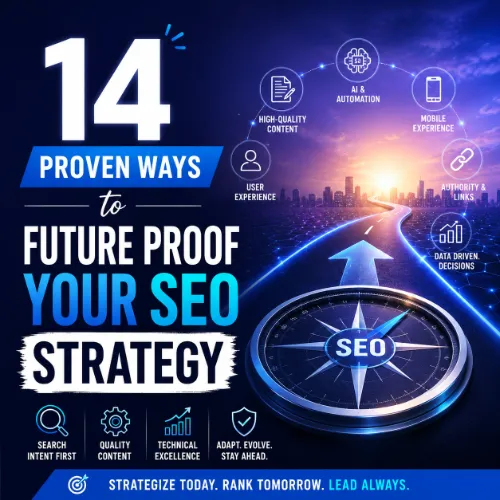
future proof SEO strategy Key Takeaways
Understanding the building blocks of SEO analysis helps you diagnose issues and spot opportunities.
- A future-proof SEO strategy focuses on sustainable, long-term growth rather than chasing ranking fluctuations.
- Strong topical authority and user-first content are the core of SEO tips for long-term growth .
- Technical health and adaptability to new SERP features are essential for future-proofing SEO in 2024 and beyond.
Understanding the building blocks of SEO analysis helps you diagnose issues and spot opportunities. Here are the key entities and what they do for your strategy:
- Website / Domain entities: Root domain, subdomain, and URL-level analysis show whether performance belongs to the whole site, a section (blog.example.com), or a single page (example.com/page).
- Keyword entities: Organic and paid keywords, keyword difficulty (KD), search volume, CPC, and SERP features help you understand demand, competition, and ranking opportunity.
- Backlink entities: Referring domains, anchor text, dofollow/nofollow links, and broken backlinks reveal authority, link quality, and outreach priorities.
- Page entities: Top pages by links, traffic, or broken status help you identify which URLs earn visibility or need repair.
- Content entities: Authors, topics, published dates, and social shares indicate editorial quality, freshness, and engagement.
- SERP entities: Featured snippets, People Also Ask, AI Overviews, video results, and local packs show what format the search result rewards.
- Technical SEO entities: Crawl issues, redirect chains, canonicals, duplicate content, and Core Web Vitals expose obstacles to crawling and ranking.
- Competitor entities: Competing domains, content gaps, and shared keywords show where rivals win traffic and where you can catch up.
- Metrics entities: Domain Rating (DR), URL Rating (UR), organic traffic, traffic value, and referring domains count summarize authority and visibility.
Useful Resources
To deepen your understanding of future-proof SEO strategy, explore these expert resources:
- Google’s Helpful Content System Guide – Official guidelines on creating content that prioritizes people-first approaches.
- Search Engine Journal – Regularly updated news, case studies, and how-to articles covering all facets of search engine optimization.
Frequently Asked Questions About future proof Your SEO strategy
What does future-proof SEO mean?
Future-proof SEO means building an optimization strategy that remains effective despite algorithm updates, emerging technologies, and shifts in user behavior, by focusing on authority, relevance, and technical health. For a related guide, see 9 Proven Ways to Earn Natural Backlinks That Actually Work.
Is SEO still relevant in 2024?
Yes, SEO is very relevant. Over 80% of online experiences start with a search engine, and organic search drives more than 50% of all website traffic. The tactics evolve, but the need for visibility remains.
How often should I update my SEO strategy?
Review your strategy quarterly. Search trends, competitor moves, and algorithm changes happen frequently. A quarterly check ensures you catch shifts early.
Will AI kill SEO?
No, AI is changing SEO, not killing it. AI overviews and chatbots provide new formats for visibility, but websites that offer unique, authoritative content will continue to be a primary source of information.
What is the most important ranking factor in 2024?
There is no single factor, but content relevance and user experience (especially Core Web Vitals) are at the top. Backlinks and brand signals also remain critical.
How do I start future-proofing my SEO today?
Begin with a technical site audit, refresh your most important content, and build a topic cluster strategy. These three actions cover the basics of a resilient approach.
Can small businesses compete with large brands on SEO?
Yes. Small businesses can win by targeting long-tail keywords, building local authority, and creating highly specific, helpful content that large brands overlook.
What is topical authority?
Topical authority is the depth of knowledge a website demonstrates on a specific subject, shown by publishing comprehensive, interlinked content that covers a topic from multiple angles.
Should I focus on voice search SEO?
Voice search is growing, but it overlaps strongly with featured snippet optimization. Focus on answering direct questions concisely, and you’ll optimize for voice search as a byproduct.
How does AI content affect SEO?
AI-generated content can help with efficiency, but Google’s systems reward content that demonstrates experience, expertise, authority, and trust (E-E-A-T). Always review and fact-check AI output.
What is entity-based SEO?
Entity-based SEO uses structured data and context to help search engines understand the real-world concepts (entities) your content is about, improving relevance for related queries.
How many backlinks do I need to rank?
There is no magic number. Quality matters more than quantity. A few links from reputable, relevant sites often outperform hundreds of low-quality directory links.
What is the best SEO tool for beginners?
Ahrefs and Semrush are industry standards with user-friendly interfaces. For a free option, Google Search Console provides essential data on performance and indexing.
Should I remove old, underperforming content?
Not always. Redirect, consolidate, or update low-performing content before deleting it. A 301 redirect preserves link equity and prevents 404 errors that harm user experience.
What is a content gap analysis?
A content gap analysis identifies topics your competitors rank for that you don’t. By creating content for those gaps, you can attract new audiences and strengthen topical authority.
How do Google’s core updates affect my strategy?
Core updates reward sites with strong E-E-A-T and penalize those with low-quality or thin content. A future-proof strategy focuses on quality, not tricks, so updates have minimal negative impact.
What are SERP features?
SERP features are non-standard search results like featured snippets, local packs, video carousels, and People Also Ask boxes. Optimizing for them increases visibility without requiring a top ranking.
Is local SEO part of a future-proof strategy?
Absolutely. Local SEO is resilient because it targets nearby users with high intent. Optimize your Google Business Profile, collect reviews, and earn local citations.
How do I measure the success of my SEO strategy?
Track organic traffic, keyword rankings, conversion rate, and brand search growth. Use Google Analytics and Google Search Console to monitor these metrics over time.
What is the role of social media in SEO?
Social media doesn’t directly impact rankings, but it amplifies content reach, generates brand searches, and can lead to backlinks and traffic—all positive signals for search. For a related guide, see 15 Proven Link Building Strategies Still Working in 2026.