
e Analytics Tactics Every Marketer Needs Key Takeaways
Predictive analytics is no longer a futuristic buzzword—it’s the engine driving modern marketing decisions.
- Master the top predictive analytics tactics to anticipate customer behavior and boost conversion rates by over 30%.
- Learn how AI predictive analytics and machine learning models automate lead scoring, segmentation, and campaign optimization.
- Discover actionable strategies for marketing analytics 2026 , including predictive email marketing and revenue forecasting.
Welcome to 2026. If you are still relying on gut instinct to drive your marketing campaigns, you are already falling behind. I’ve spent nearly two decades in the SEO and digital marketing trenches, and I can tell you this: the difference between a brand that scales and one that stagnates comes down to data velocity—how fast you turn signals into decisions. That is exactly where predictive analytics marketing comes into play. I’m Jin Grey, Senior AI SEO Consultant at jingrey.com, and in this guide I will walk you through 35 battle-tested predictive analytics tactics that will define success in 2026.
Why Predictive Analytics Marketing is the New Competitive Advantage
In my work with businesses ranging from scrappy startups to enterprise ecommerce stores, I have observed a single common thread: those who invest in AI predictive analytics consistently outperform competitors who rely on reactive strategies. Marketing analytics 2026 is not just about reporting what happened yesterday—it is about forecasting what will happen tomorrow and acting on it now. Whether you are a digital marketer, a SaaS founder, or a social media manager, these predictive marketing strategies will give you the edge you need to stay ahead. For a related guide, see 50 Ways AI is Completely Changing Social Media Marketing in 2026.

Below, I present 35 specific, actionable predictive analytics tactics. Each one includes a real-world application and a clear outcome so you can implement them immediately.
1. Predictive Lead Scoring with Machine Learning
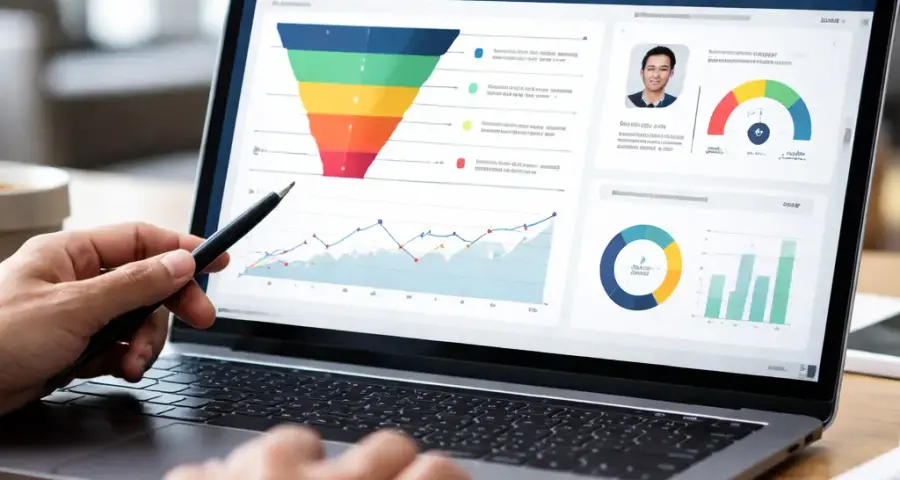
Stop wasting time on cold leads. Use machine learning marketing models to analyze historical conversion data and assign a probability score to every new lead. This is one of the most effective predictive lead scoring techniques. Your sales team calls the hottest leads first, increasing close rates by up to 40%.
2. AI-Powered Customer Churn Prediction
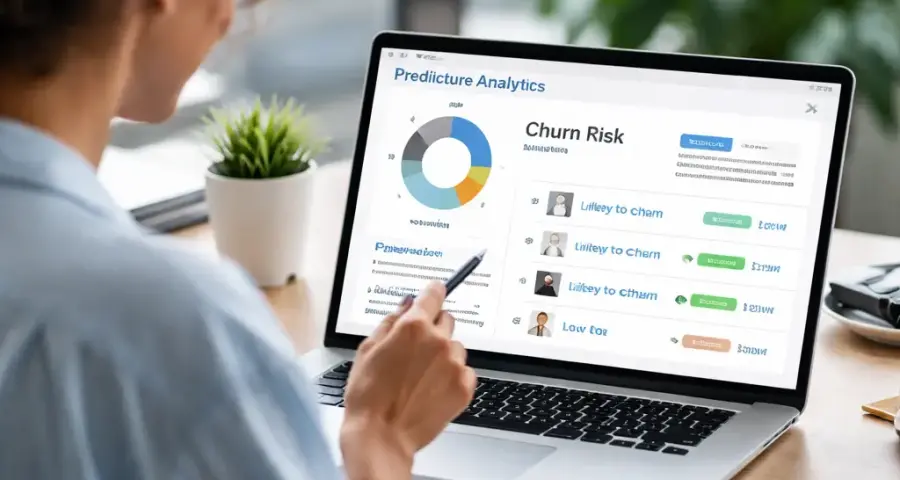
Identify customers likely to leave before they churn. By analyzing usage patterns, support tickets, and login frequency, AI customer insights can flag at-risk users. Trigger a retention campaign automatically—a discount, a personal check-in, or an upsell—to keep them engaged.
3. Predictive Customer Segmentation for Hyper-Personalization
Basic demographic segmentation is dead. Predictive customer segmentation uses clustering algorithms to group customers by future behavior, not past actions. This allows you to craft messages that resonate with each micro-segment’s predicted next move.
4. Dynamic Pricing Optimization
Use AI business intelligence to adjust prices in real time based on demand, competitor pricing, and historical buying patterns. Airlines and hotels have done this for years—now you can apply it to your ecommerce store or SaaS product tiers.
5. Predictive Campaign Optimization in Real Time
Traditional A/B testing is slow. Predictive campaign optimization uses AI marketing automation to adjust ad creative, copy, and landing page elements on the fly, maximizing ROAS without manual intervention.
6. Forecasting Customer Lifetime Value (CLV)
Not all customers are equal. Predictive revenue forecasting models calculate the expected lifetime value of each new customer. Allocate your ad budget toward acquiring high-CLV users instead of one-time purchasers.
7. AI-Driven Content Recommendations
Netflix and Amazon have mastered this. Use AI personalization engines to recommend blog posts, products, or videos based on a user’s predicted interests. This increases average session duration and conversion rates dramatically.
8. Predictive Email Marketing Campaigns
Send emails not just on a calendar schedule, but when the system predicts a subscriber is most likely to open and click. Predictive email marketing analyzes past open times, device usage, and engagement history to deliver perfect timing.
9. Intent-Based Ad Targeting
Stop targeting demographics. Use predictive audience targeting to find users who are actively researching solutions you offer. Combine first-party data with AI advertising optimization platforms to serve ads only to high-intent audiences.
10. Predictive SEO Analytics
Forecast which keywords will rise in search volume and competition. Predictive SEO analytics tools analyze trends in queries, SERP features, and competitor movements to help you publish content before demand spikes. This is one of my favorite AIO marketing insights strategies. For a related guide, see AI vs Google Analytics: 5 Essential SEO Insights You Can’t Ignore.
11. Social Media Sentiment Forecasting
Don’t wait for a crisis. Predictive social media analytics track sentiment shifts in real time and forecast potential PR issues before they go viral. This allows your PR team to craft proactive responses.
12. Sales Forecasting with AI
Replace spreadsheets with predictive sales forecasting models that factor in seasonality, economic indicators, and pipeline velocity. This gives you a revenue forecast accurate to within 5%.
13. Automated Ad Spend Allocation
Use AIO marketing automation to shift budget across channels (Google, Facebook, LinkedIn, TikTok) based on predicted ROAS. The algorithm learns which combination yields the best return and reallocates daily.
14. Predictive Product Recommendations for Ecommerce
Show products users are statistically most likely to buy next. Predictive ecommerce analytics engines analyze cart abandonment patterns, browse history, and purchase cycles to generate cross-sell and upsell recommendations.
15. Customer Journey Analytics with Next-Best-Action
Map every touchpoint and predict the optimal next interaction. Customer journey analytics powered by AI customer engagement tools tells you whether to send a discount, a blog link, or a live chat invite. For a related guide, see AI vs Google Analytics: 5 Smart SEO Insights You Can Trust.
16. Demand Forecasting for Inventory
Especially critical for ecommerce sellers and dropshippers. Predictive consumer trends models analyze historical sales, seasonal patterns, and even weather data to help you stock the right items.
17. Lead Generation with Lookalike Audiences
Create lookalike audiences based on high-value customer profiles. Predictive lead generation uses your CRM data to find new prospects that mirror your best buyers across social and search platforms.
18. Content Gap Analysis with AI
Don’t guess which topics to write about. Predictive content marketing tools analyze competitor content, search intent, and engagement data to reveal topics with high traffic potential but low competition.
19. Predictive Ad Creative Testing
Before spending thousands on a campaign, let AI marketing tools predict which headline, image, and CTA combination will perform best. Test hundreds of variations virtually before launching one to a live audience.
20. Revenue Attribution Forecasting
Understand which marketing channels will drive revenue next quarter. Predictive ROI analysis models attribute future conversions to current touchpoints, giving you a clear budget allocation roadmap.
21. Predictive Onboarding Sequences
Reduce SaaS churn by predicting which new users are likely to drop off during onboarding. AI growth strategies deliver customized tutorial content and in-app prompts exactly when users need them.
22. Programmatic SEO with AI
Generate thousands of landing pages automatically based on predicted search demand. Predictive digital marketing frameworks use AI to create location pages, product variants, or category pages that rank quickly.
23. Smart Push Notification Timing
Push notifications are powerful, but only if delivered at the right moment. Use AI predictive analytics to determine the optimal time to send notifications based on each user’s sleep and activity schedule.
24. Predictive Budgeting for Marketing Teams
Move from annual static budgets to rolling forecasts. Marketing analytics 2026 tools let you predict monthly ad costs, conversion rates, and ROI, so you can adjust budgets in near real time.
25. Voice Search Intent Prediction
Voice search queries are longer and more conversational. Use predictive consumer insights to forecast which voice queries will grow in your industry and optimize for featured snippets accordingly.
26. Predictive Abandoned Cart Recovery
Don’t wait for a cart to be abandoned. Predict which users are about to leave based on hesitation signals (like hovering over the close button) and trigger a live discount offer instantly.
27. Customer Support Ticket Triage
Automatically route support tickets to the right agent based on predicted complexity. AI data science marketing helps prioritize urgent issues, reducing resolution time by 30%.
28. Predictive Competitor Analysis
Monitor your competitors’ moves and predict their next launch or campaign. AI audience insights tools analyze their backlink profiles, content strategies, and social signals to give you a head start.
29. Lifetime Value-Based Ad Bidding
Instead of bidding on cost-per-acquisition, bid on predicted lifetime value. Predictive business growth strategies connect your CRM data with ad platforms to optimize for long-term profit, not just the first sale.
30. Predictive Event Attendance Modeling
Are you hosting a webinar or conference? Use AI trend forecasting to predict attendance rates based on past registrations, email open rates, and topic popularity.
31. AI-Generated Marketing Reports with Predictions
Move beyond descriptive dashboards. Modern AI analytics software generates narrative reports that not only show what happened but also forecast what is likely to happen next quarter.
32. Predictive Referral Marketing
Identify your most likely brand advocates. AI customer retention models predict which customers will respond well to a referral program and suggest the optimal incentive amount.
33. Cross-Channel Attribution Forecasting
Stop arguing over last-click attribution. AI powered decision making tools use Markov chains or machine learning to attribute conversions across channels and predict which combination drives the most revenue.
34. Predictive Form Abandonment
Predict which users will abandon a signup or checkout form based on field completion time and hesitation. Trigger a chatbot or exit-intent popup to recover them.
35. AI-Driven Budget Reallocation
Run your marketing budget like a hedge fund. Predictive business strategies use real-time data to reallocate funds from underperforming campaigns to high-performing ones, sometimes on an hourly basis.
How to Start Implementing These Predictive Analytics Tactics
You do not need a team of data scientists to start. Begin with one tactic—perhaps predictive lead scoring or predictive email marketing—and use an accessible tool like Google’s Vertex AI, HubSpot’s predictive features, or specialized platforms like Pecan AI. The key is to start small, measure the lift, and scale proven models across your organization. If you want personalized guidance, visit my website at jingrey.com, where I help businesses build custom predictive marketing strategies that align with their unique data.
Useful Resources
To deepen your understanding of these predictive analytics tactics, I recommend the following authoritative sources:
- Harvard Business Review: The Future of Predictive Analytics in Marketing — A comprehensive analysis of how top brands are using predictive models to drive growth.
- Gartner: Predictive Analytics Marketing Strategies for 2026 — Industry research on the latest tools and frameworks for data-driven marketing decision-making.
Remember, these 35 predictive analytics tactics are not just a checklist—they are a new operational mindset. I’m Jin Grey, and I build these systems for businesses looking to dominate their market with predictive analytics marketing. Visit jingrey.com to see how we can transform your data into predictable revenue.
Frequently Asked Questions About e Analytics Tactics Every Marketer Needs
What is predictive analytics in marketing?
Predictive analytics marketing uses statistical models and machine learning to analyze historical data and forecast future customer behavior, such as purchase likelihood, churn risk, or campaign response.
How does predictive analytics help marketers?
It removes guesswork from decision-making. Marketers can allocate budgets more efficiently, personalize communications at scale, and identify high-value leads before competitors do.
What are the best predictive analytics tools in 2026?
Top tools include Google Vertex AI, Pecan AI, HubSpot Predictive Lead Scoring, Adobe Sensei, and Salesforce Einstein. Each offers specific strengths for different marketing use cases.
How can AI improve marketing predictions?
AI predictive analytics improves accuracy by processing vast datasets that humans cannot—identifying non-obvious patterns in browsing behavior, purchase history, and external factors like seasonality.
What are predictive marketing strategies ?
These are data-driven plans that use predictive marketing strategies such as lead scoring, churn prediction, and dynamic pricing to anticipate market shifts and proactively adjust tactics.
How do businesses use predictive analytics for customer insights?
Businesses analyze transaction history, support interactions, and web behavior to create detailed AI customer insights that predict needs, preferences, and pain points.
Can predictive analytics increase sales?
Absolutely. Studies show companies using predictive sales forecasting experience a 15–30% increase in revenue due to better targeting, optimized pricing, and reduced churn.
What is predictive lead scoring?
Predictive lead scoring is a machine learning technique that assigns a probability score to each lead based on how closely their behavior matches past customers who converted.
How does machine learning improve marketing campaigns?
Machine learning marketing models continuously learn from campaign data, automatically adjusting audience segments, creative elements, and bidding strategies to maximize performance.
What are the benefits of predictive analytics in digital marketing?
Key benefits include higher conversion rates, improved customer retention, reduced ad spend waste, and the ability to deliver personalized experiences at scale.
How can small businesses use predictive analytics?
Small businesses can start with affordable AI analytics software like HubSpot CRM’s predictive features or Google Analytics 4’s predictive metrics to forecast churn and identify top segments.
What are predictive analytics tactics for ecommerce?
Top tactics include predictive ecommerce analytics for product recommendations, dynamic pricing, cart abandonment prediction, and inventory demand forecasting.
How does predictive analytics improve customer retention?
By using AI customer retention models to identify at-risk customers early, you can trigger personalized win-back campaigns, special offers, or proactive support to reduce churn.
What is AI driven audience targeting?
Predictive audience targeting uses machine learning to identify users most likely to convert based on behavioral data, lookalike modeling, and intent signals.
How do marketers forecast customer behavior?
They use historical data patterns plus external signals like seasonality, economic trends, and social sentiment to feed AI trend forecasting models that predict future actions.
What are smart predictive analytics techniques?
These include ensemble models, time-series forecasting, natural language processing for sentiment, and predictive conversion optimization through multi-armed bandit algorithms.
How does predictive analytics improve ad performance?
It enables AI advertising optimization by predicting which ad formats, placements, and creatives will drive the highest engagement before you spend your entire budget.
Can predictive analytics improve conversion rates?
Yes. By identifying the right audience, the right message, and the right timing through predictive marketing models, businesses typically see a 20–50% improvement in conversion rates.
What industries benefit most from predictive analytics?
Ecommerce, SaaS, financial services, healthcare, travel, and media all see significant ROI. However, any industry with customer data and repeat transactions benefits from data driven marketing.
How can predictive analytics personalize customer experiences?
AI personalization engines use predictive models to adapt website content, email offers, product recommendations, and ad copy in real time based on each visitor’s predicted preferences.