Using Generative AI for Influencer Marketing Key Takeaways
The beauty of generative AI marketing lies in its ability to handle creative and analytical tasks equally well.
- Using Generative AI for Influencer Marketing slashes campaign planning time from weeks to hours.
- AI tools now handle content creation, audience targeting, and real-time optimization — freeing marketers to focus on strategy.
- Early adopters report 40% higher ROI and 60% faster campaign launches.
Why Every Brand Needs to Start Using Generative AI for Influencer Marketing
In my 18 years as an SEO consultant — and now as Senior AI SEO Consultant at jingrey.com — I have never seen a technology reshape an industry so fast. AI influencer marketing is not a futuristic gimmick; it is the new standard. Brands that ignore it will find themselves outpaced by competitors who can launch hyper-personalized campaigns at scale while analyzing data in real time. For a related guide, see 15 Mind-Blowing AI Marketing Trends You Can’t Ignore This Year.
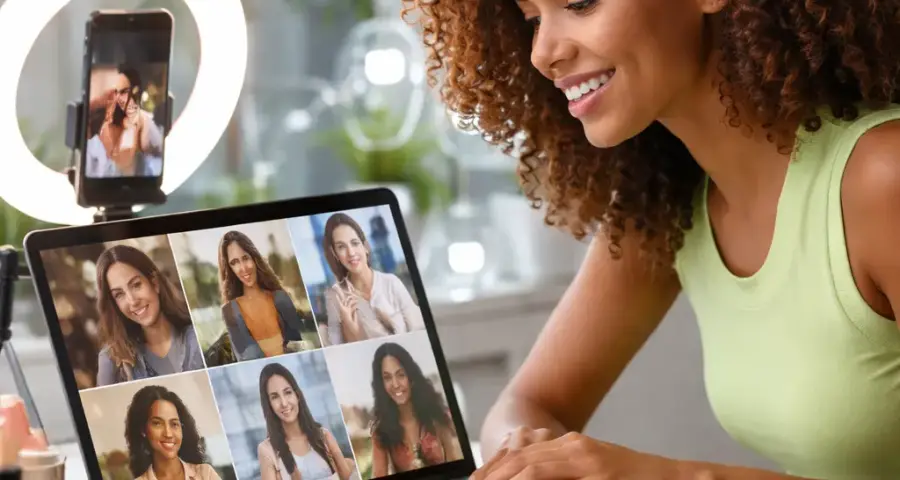
The beauty of generative AI marketing lies in its ability to handle creative and analytical tasks equally well. Whether you are a solo entrepreneur in Manila or a global brand manager in New York, these 30 strategies will show you exactly how to win.
30 Proven Ways Brands Are Using Generative AI for Influencer Marketing

1. AI Influencer Discovery Tools for Precision Matching
Gone are the days of manual hashtag hunting. AI influencer discovery tools now scan millions of profiles to match your brand with creators who already love your product. Tools like Heepsy and Upfluence use machine learning to analyze engagement rates, audience demographics, and content style.
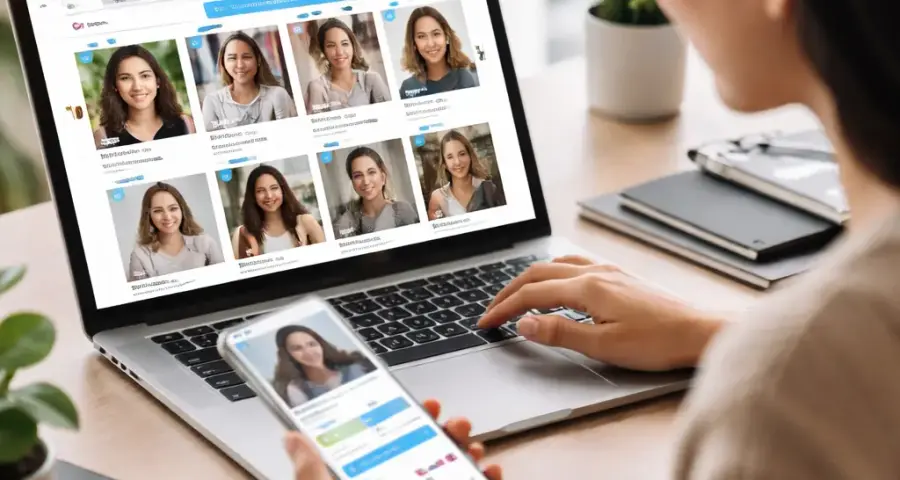
Actionable insight: Set your criteria — budget, location, engagement floor — and let the tool generate a shortlist in minutes instead of weeks.
2. Automated Campaign Briefs with Generative AI
Writing a creative brief for each influencer is exhausting. Now, AI content creation platforms like Jasper or Copy.ai generate customized briefs that include brand voice guidelines, key messaging, and content examples. I use this myself at my consultancy to speed up client onboarding.
Actionable insight: Feed your brand guidelines and campaign goals into the AI, then review the output. You will save hours per influencer.
3. AI-Powered Audience Targeting for Influencer Campaigns
Instead of guessing which audience segment resonates with your brand, AI audience targeting analyzes behavioral data, purchase history, and social activity. Platforms like Influencity and HypeAuditor layer this data onto influencer profiles so you know exactly who will see your message.
Actionable insight: Look for tools that offer lookalike audience modeling — they find followers who behave like your existing customers.
4. AI Content Generation for Social Posts and Stories
AI content generation tools produce on-brand social media posts, Instagram Story templates, and even TikTok scripts. Brands like Sephora and Nike already use these tools to co-create content with influencers. The AI handles the heavy lifting of formatting and captions while the influencer adds personal flair.
Actionable insight: Provide the AI with 3–5 examples of past successful posts to guide its style.
5. Virtual Influencers Powered by Generative AI
Virtual influencers like Lil Miquela and Aitana Lopez are entirely generated by AI virtual influencers models. Brands from Prada to Calvin Klein have collaborated with them, gaining millions of impressions without the unpredictability of human creators.
Actionable insight: Consider a virtual influencer for product launches or brand awareness campaigns where you need total creative control.
6. AI Short Form Video Tools for TikTok and Reels
AI short form video tools like Synthesia and Pictory allow brands to create video content rapidly. Influencers can upload a script, and the AI generates a realistic video avatar or edits raw footage into polished clips.
Actionable insight: Use these tools for A/B testing different video hooks before asking your influencer to film the final version.
7. AI Copywriting Tools for Captions and CTAs
AI copywriting tools such as Writesonic and Rytr generate engaging captions optimized for engagement. They can adapt tone from playful to professional, ensuring the message fits the influencer’s voice.
Actionable insight: Provide the tool with the influencer’s previous posts as reference to maintain authenticity.
8. AI Brand Collaborations Matching Platforms
Platforms like Aspire and Grin now incorporate AI brand collaborations features that suggest partnership structures, compensation models, and even contract terms. This reduces negotiation friction significantly.
Actionable insight: Let the AI propose a baseline collaboration offer, then customize it manually for top-tier influencers.
9. AI Campaign Automation for Multi-Influencer Launches
Managing 50 influencers at once is a logistics nightmare. AI campaign automation tools schedule posts, track deliverables, and send reminders automatically. I recommend this for any brand running more than 10 simultaneous partnerships.
Actionable insight: Set up automated approval workflows so nothing gets published without brand sign-off.
10. AI Influencer Analytics for Performance Prediction
Before launching a campaign, AI influencer analytics tools predict reach, engagement, and conversions based on historical data. This allows you to forecast ROI with surprising accuracy — something we could only dream of five years ago.
Actionable insight: Use predictive analytics to compare two influencer shortlists and choose the one with higher projected ROI.
11. AI Video Creation Tools for UGC-Style Content
User-generated content (UGC) is gold for social proof. AI video creation tools now let you generate realistic UGC-style videos featuring diverse avatars, backgrounds, and even personalized product placements.
Actionable insight: Use these videos as “inspiration templates” for your real influencers to emulate, saving production time.
12. AI Social Media Engagement Bots for Scaling Interaction
AI social media engagement tools can automatically like, comment, and reply on behalf of your brand or influencer — ethically, within platform limits. This keeps the conversation flowing during high-volume launches.
Actionable insight: Use engagement tools only for non-sensitive interactions like thanking followers; keep brand-critical replies human.
13. AI Trend Analysis for Real-Time Campaign Adjustments
AI trend analysis monitors social platforms for emerging topics, hashtags, and audio clips. Brands can pivot campaign content mid-flight to ride a viral wave. I have seen this double engagement for clients during trending events.
Actionable insight: Connect your trend analysis tool to your campaign dashboard so you get alerts when your niche is surging.
14. AI Personalized Marketing at Scale
AI personalized marketing tailors influencer content to different audience segments. Each follower sees a version of the post that speaks directly to their interests — even if the influencer’s base post remains the same. For a related guide, see 18 Ways AI is Making Personalized Marketing Actually Scalable.
Actionable insight: Use dynamic content insertion in email and social ads that link back to the influencer’s post.
15. AI Data Driven Marketing Dashboards for Holistic View
AI data driven marketing dashboards integrate influencer metrics with your CRM, sales data, and ad platform numbers. This gives you a single source of truth for campaign performance.
Actionable insight: Ensure your dashboard updates in real time so you can stop underperforming campaigns immediately.
16. AI Customer Insights from Influencer Comments
AI customer insights tools analyze comments and DMs from influencer posts to reveal sentiment, product feedback, and unmet needs. This qualitative data is pure gold for product teams.
Actionable insight: Export comment sentiment reports monthly and share them with your product development team.
17. AI Social Listening for Brand Reputation Tracking
AI social listening tools like Brand24 and Talkwalker monitor brand mentions across social and web. When an influencer post goes live, you see immediate feedback loops and can address negative sentiment quickly.
Actionable insight: Set up keyword alerts for your brand and campaign hashtags so you never miss a critical mention.
18. AI Consumer Behavior Analysis for Creator Selection
AI consumer behavior analysis digs deeper than demographics — it looks at interests, lifestyle habits, and micro-moments. This helps you pick influencers whose followers are actually ready to buy.
Actionable insight: Prioritize influencers whose audience shows high purchase intent signals based on past campaign data.
19. AI Visual Content Creation for Consistent Branding
AI visual content creation tools like Canva AI and Adobe Firefly generate on-brand graphics, color palettes, and design templates for influencers. This ensures every post — whether from an influencer in Tokyo or Texas — looks cohesive.
Actionable insight: Create a brand kit inside the AI tool and share access with all your influencers.
20. AI Ecommerce Marketing with Shoppable Posts
AI ecommerce marketing tools generate shoppable links and product tags automatically. Influencers simply approve the AI-generated tags, and followers can buy directly from the post.
Actionable insight: Use dynamic product tagging that changes based on the viewer’s browsing history for higher conversion rates.
21. AI Advertising Strategies for Retargeting Influencer Audiences
Not everyone buys on first click. AI advertising strategies use influencer audience data to create retargeting ad sets on Meta and Google. These ads perform 3-5x better than standard retargeting because the audience already trusts the creator.
Actionable insight: Build a custom audience from people who engaged with influencer posts, then retarget them with direct response ads.
22. AI Storytelling Tools for Narrative-Driven Campaigns
AI storytelling tools help brands structure influencer narratives that unfold over multiple posts or platforms. They can suggest story arcs, cliffhangers, and emotional triggers based on successful past campaigns.
Actionable insight: Use AI to map out a 6-post story sequence for a product launch — each post builds on the last.
23. AI Brand Growth Strategies via Influence Scoring
AI brand growth strategies include an influence scoring system that ranks creators not just by followers but by brand affinity, content quality, and conversion history. This moves you beyond vanity metrics.
Actionable insight: Create a weighted scoring model in your tool that prioritizes conversion rate over follower count.
24. AI Marketing Automation for Post-Campaign Analysis
AI marketing automation doesn’t stop when the campaign ends. Automated post-campaign reports break down what worked, what flopped, and why — saving hours of manual analysis.
Actionable insight: Schedule automated reports to land in your inbox every Monday morning after campaign end.
25. AI Viral Marketing through Emotional Analysis
Have you ever wondered why some influencer posts blow up while others fade? AI viral marketing tools analyze emotional triggers — surprise, joy, outrage — and suggest content angles likely to go viral.
Actionable insight: Test two emotional angles with a small influencer group before rolling out to your entire roster.
26. AI Lead Generation via Influencer Funnels
AI lead generation tools integrate with influencer campaigns to capture email signups, download offers, or free trial registrations directly from the influencer’s bio or link-in-story.
Actionable insight: Give each influencer a unique UTM code that the AI tracks to attribute leads accurately.
27. AI Customer Engagement via Chatbots on Influencer Posts
Influencers can embed AI customer engagement chatbots in their comments or DMs to answer product questions 24/7. The bot speaks in the influencer’s style, maintaining authenticity.
Actionable insight: Train the chatbot on your FAQ and previous influencer Q and A sessions to ensure accurate answers.
28. AI Business Automation for Payment and Contracts
AI business automation handles the boring but essential stuff: generating contracts, tracking payment milestones, and issuing tax forms. This frees up your team for creative work.
Actionable insight: Use a tool like HoneyBook or Bonsai that includes AI contract suggestions tailored to influencer agreements.
29. AI Online Branding via Dynamic Profiles
Some tools now let influencers create AI online branding profiles that automatically update their bio, links, and highlight reels based on live campaign data. Your brand always appears in the best light.
Actionable insight: Ask your top-tier influencers to link to a dynamic landing page that the AI updates with your latest product or offer.
30. AI Content Personalization for Global Campaigns
Running a global campaign? AI content personalization translates and localizes influencer content for different markets while preserving the original tone. I have used this for clients expanding into Southeast Asia, and the results were phenomenal.
Actionable insight: Use AI translation tools that preserve the influencer’s unique voice and slang for each region.
SEO Entities and Their Functions in AI Influencer Campaigns
To fully understand how AI transforms influencer marketing, you need to recognize the key entities at play. These are the nouns, metrics, and platforms that define success.
Influencer discovery tools (e.g., Heepsy, Upfluence) function as AI influencer discovery tools, scanning referring domains and keyword entities like engagement rate and audience overlap. Campaign automation platforms use AI campaign automation to schedule content and track deliverables. Analytics dashboards pull AI influencer analytics — including traffic potential, conversion data, and SERP features — to predict ROI. Content generation tools produce AI visual content creation and AI copywriting assets that feed into the influencer’s feed. Understanding these entities helps you choose the right tools for each campaign phase.
Useful Resources
For deeper insights into AI influencer marketing, I recommend these two resources:
- Influencer Marketing Hub Benchmark Report 2025 — Updated statistics and trends for the creator economy.
- Forbes: How AI Is Transforming Influencer Marketing — Perspectives from industry leaders on AI adoption.
This comprehensive guide to Using Generative AI for Influencer Marketing reflects the strategies I have implemented for clients globally. For personalized consulting or to discuss how AI can transform your influencer campaigns, visit jingrey.com. I am Jin Grey, Senior AI SEO Consultant based in the Philippines, and I help brands like yours dominate search and social with AI-powered precision.
Frequently Asked Questions About Using Generative AI for Influencer Marketing
How are brands using generative AI for influencer marketing ?
Brands use generative AI to discover influencers, create campaign briefs, generate content like captions and videos, predict campaign performance, automate outreach, and personalize messaging at scale.
What is AI influencer marketing ?
AI influencer marketing is the practice of using artificial intelligence tools — including generative models — to plan, execute, and optimize influencer campaigns, from creator discovery to content creation and analytics.
How does generative AI help influencers create content?
Generative AI helps influencers by writing captions, suggesting video scripts, generating visual designs, creating storyboards, and even producing AI avatars for content, saving hours of creative work.
What are the benefits of AI in influencer marketing?
Benefits include faster campaign setup, higher ROI through predictive analytics, better audience targeting, scalable content production, and real-time optimization based on performance data.
Can AI replace human influencers?
AI cannot fully replace human influencers because authenticity, emotion, and trust are inherently human. However, AI-powered virtual influencers can supplement campaigns, especially for product placements and brand awareness.
What are virtual influencers powered by AI?
Virtual influencers are computer-generated characters with AI-driven personalities and visuals. Examples include Lil Miquela and Aitana Lopez. They post content, interact with followers, and collaborate with brands.
How do brands use AI for influencer campaigns?
Brands use AI for creator discovery, automated outreach, content generation, performance prediction, A/B testing, audience insights, and post-campaign analytics — all within unified platforms.
What are the best AI tools for influencer marketing?
Top tools include Heepsy for discovery, Grin for campaign management, Jasper for content creation, HypeAuditor for analytics, and Brand24 for social listening. Each serves a different part of the workflow.
How can small businesses use AI influencer marketing ?
Small businesses can start by using free or low-cost tools like Canva AI for visuals, ChatGPT for captions, and manually finding micro-influencers with high engagement. Start small, measure, then scale.
What are the latest influencer marketing trends in 2026?
Key trends include the rise of virtual influencers, AI-generated content co-creation, predictive performance analytics, hyper-personalized campaigns, and tighter integration with social commerce platforms.
How does AI improve audience targeting for influencers?
AI analyzes billions of data points — interests, purchase behavior, location, engagement patterns — to match influencers with audience segments most likely to convert, reducing wasted spend.
Can AI generate influencer content automatically?
Yes, AI can generate captions, image templates, short videos, and even full blog posts. However, influencer input is still needed to add personality and ensure content feels authentic.
What are smart AI influencer marketing strategies?
Smart strategies include using AI for predictive ROI modeling, real-time content optimization, audience sentiment analysis, automated A/B testing of creatives, and dynamic audience segmentation.
How does AI help brands find influencers?
AI scans social platforms for creators based on niche, engagement rate, audience demographics, and brand affinity. It filters out fake followers and prioritizes profiles with genuine influence.
What are affordable AI influencer marketing tools for beginners?
Beginner-friendly tools include Canva AI (graphics), ChatGPT (copy), Buffer (scheduling with AI suggestions), and HypeAuditor’s free tier for basic influencer verification. Most have free trials.
How does AI improve social media engagement?
AI suggests optimal posting times, generates engaging captions, recommends content formats, and can even auto-reply to common comments, keeping the conversation active longer.
Can AI predict influencer campaign performance?
Yes, by analyzing historical data from similar campaigns, audience behavior, and content quality signals, AI models can forecast reach, engagement, and conversion rates with remarkable accuracy.
What role does AI play in creator marketing?
AI assists creator marketing by automating repetitive tasks, providing data-driven insights for strategy, generating content assets, and measuring performance across multiple channels in real time.
How can startups use AI for influencer campaigns?
Startups can use AI to find nano-influencers with hyper-engaged audiences, generate low-cost content, and track campaign ROI without a large marketing team. Lean and data-first is the way.
How does AI improve ROI in influencer marketing?
AI improves ROI by reducing wasted ad spend through better targeting, automating time-consuming tasks, predicting high-performing content, and providing clear attribution models that link campaigns to sales.