
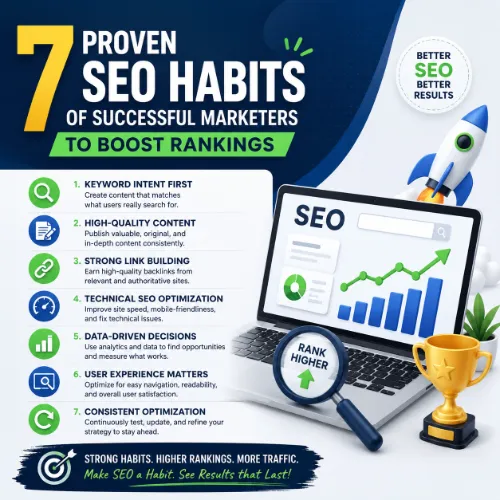
SEO habits of successful marketers Key Takeaways
Mastering the SEO habits of successful marketers is the difference between guesswork and predictable growth.
- The SEO habits of successful marketers focus on continuous learning, regular site audits, and content that matches search intent.
- Consistency matters more than perfection: small daily actions compound into significant ranking gains over time.
- Successful marketers treat SEO as a system, not a one-time fix—using tools like Ahrefs to inform every habit.
Why Adopting the Right SEO Habits Matters for Marketers
SEO can feel overwhelming. Algorithms change, competitors emerge, and your to-do list never shrinks. But the SEO habits of successful marketers cut through the noise. These are repeatable, data-informed practices that build authority, improve user experience, and drive sustainable organic growth.
Successful marketers don’t chase every trend. Instead, they focus on the fundamentals that consistently move the needle: understanding their audience, monitoring performance, and creating content that answers real questions. When you bake these habits into your routine, you shift from reactive firefighting to proactive strategy.
7 Proven SEO Habits of Successful Marketers
Below are seven habits that separate top-performing marketers from the rest. Each one is actionable, backed by real-world examples, and designed to fit into a busy schedule.
Habit 1: Perform Weekly Keyword Opportunity Audits
Successful marketers never assume they know every relevant keyword. Instead, they carve out 30 minutes each week to uncover new opportunities. Using a tool like Ahrefs, they look for keywords with decent search volume but low keyword difficulty—gaps competitors have overlooked. For a related guide, see 11 Proven Ways to Optimize for AI Search Engines in 2026.
For example, a B2B SaaS marketer might discover a long-tail phrase like “automated invoice approval workflow” has a KD of 12 and 800 monthly searches. They create a targeted guide around that phrase, earning a top-3 ranking within weeks. This habit ensures your content calendar stays aligned with what people are actually searching for.
Habit 2: Audit Content Performance Every Month
Publishing content is only half the battle. The second half involves reviewing what works and what doesn’t. Once a month, successful marketers open their analytics and ask: Which pages drive the most organic traffic? Which ones have high bounce rates or zero impressions?
They then update underperforming pages—refreshing stats, adding internal links, and improving readability. This habit alone can boost a page’s traffic by 30% or more without creating anything new. It’s one of the most cost-effective SEO best practices for marketers.
Habit 3: Prioritize Search Intent Over Keyword Volume
High-volume keywords are tempting, but they mean nothing if the searcher’s intent doesn’t match your content. Successful marketers analyze the SERP before writing. Is the top result a product page, a tutorial, or a comparison? They match their content format to the prevailing intent.
For instance, if “best project management software” shows mostly listicles and comparison tables, writing a single product review page probably won’t rank. Instead, they create a comprehensive guide with feature tables and user reviews, directly addressing the buyer’s intent.
Habit 4: Build a Consistent Internal Linking Routine
Internal links help search engines understand your site’s architecture and distribute authority to important pages. The best marketers add 2–3 relevant internal links to every new piece of content before publishing. They also revisit old posts quarterly to link them to newer, related articles.
A practical example: if you have a pillar page about “email marketing automation,” you link to it from every related blog post about drip campaigns, segmentation, and A/B testing. Over time, the pillar page gains more link equity and ranks higher for competitive terms.
Habit 5: Monitor Competitor Backlink Gaps
Your competitors’ backlink profiles are a goldmine of outreach opportunities. Each month, successful marketers use a backlink analysis tool to see which domains recently linked to a competitor but not to them. They then create a strategy to earn those same links—whether through guest posts, resource page additions, or broken link replacements. For a related guide, see 14 Proven Ways to Future Proof Your SEO Strategy.
This habit accelerates domain authority growth by targeting sites already interested in your niche. It’s a core component of successful marketers SEO habits for building off-page strength.
Habit 6: Conduct a Bi-Weekly Technical SEO Check
Technical issues like slow loading times, broken pages, or missing meta tags can silently tank rankings. Successful marketers don’t wait for a site audit tool to flag a crisis. Every two weeks, they run a quick crawl check using tools like Ahrefs Webmaster Tools (free) to identify and fix issues before they become problems.
They look for 404 errors, redirect chains, and pages with low Core Web Vitals scores. Fixing these issues promptly ensures that search engines can efficiently index and rank the site.
Habit 7: Keep a Running List of Topic Gaps and Fresh Ideas
Creativity thrives with a system. Successful marketers maintain a living document of content ideas based on real data: keyword gaps from competitor analysis, questions from customer support logs, and trending topics in their industry. Whenever they spot a gap, they add it to the list with a priority score.
This habit prevents writer’s block and ensures every piece of content serves a strategic purpose. It also makes content planning meetings quick and productive—you’re not brainstorming from scratch each month.
How to Turn These SEO Habits Into a Daily Routine
Knowing the habits is one thing; actually doing them is another. Start small: pick two or three habits that feel most urgent for your current goals. For instance, if your traffic has plateaued, begin with the weekly keyword audit and monthly content performance review. Once those feel automatic, add in the competitor backlink gap analysis.
Set recurring calendar blocks for your SEO tasks. Friday afternoons can be for audits, Monday mornings for content refreshes. The key is consistency, not intensity. Even 15 minutes a day on these SEO habits of successful marketers will yield measurable results within three to six months.
Useful Resources
To deepen your understanding of these habits, explore these authoritative guides:
- Ahrefs SEO Strategy Guide – Detailed walkthroughs on keyword research, backlinks, and site audits.
- Google SEO Starter Guide – Official best practices from Google for building search-friendly content.
Frequently Asked Questions About SEO habits of successful marketers
What are the most important SEO habits for a beginner marketer?
Start with keyword opportunity audits, search intent analysis, and monthly content performance reviews. These three habits deliver the fastest learning curve and ranking wins.
How often should I check my keyword rankings?
Weekly checks are sufficient for most sites. Daily tracking can lead to overreaction to normal fluctuations. Focus on trends over 30-day windows.
Can these habits work for local SEO campaigns?
Absolutely. For local SEO, prioritize city-specific keyword audits, monitor local SERP packs, and build citations from local competitors’ backlink sources.
What is the single quickest habit to improve organic traffic?
Updating and interlinking existing content. You can often see a 20–40% traffic increase within two weeks by refreshing old posts and adding internal links.
How do I find keyword gaps that competitors are using?
Use a tool like Ahrefs Content Gap feature. Enter your domain plus 2–3 competitor domains; the tool shows which keywords they rank for that you don’t.
Is technical SEO something I can automate?
You can automate monitoring with tools like Ahrefs Webmaster Tools, but human judgment is needed to prioritize fixes. Set up weekly email reports to stay informed.
How long until these habits produce noticeable ranking improvements?
Most marketers see initial improvements within 30–60 days, especially from content refreshes and internal linking. Full compounding effects appear in 3–6 months.
Do I need a big team to implement these habits?
No. Many successful SEOs are solo or part of a two-person team. The key is batching tasks and using efficient tools.
What’s the best way to track backlink progress?
Monitor referring domains count and new/lost backlinks monthly. A growing number of unique referring domains is a stronger signal than many links from one domain.
Should I focus on blog content or landing pages?
You need both. Use blog content for informational queries and landing pages for commercial intent. The habits described apply to both formats.
How do I stay updated on SEO changes without burning out?
Pick two trusted sources (e.g., Google Search Central blog and Ahrefs Blog) and check them weekly. Avoid daily doom-scrolling on forums.
What’s the biggest mistake marketers make with SEO habits ?
Focusing only on keyword volume and ignoring search intent. Writing content that doesn’t match what searchers want leads to high bounce rates and low conversions.
Can I use AI tools to support these habits?
Yes. AI can assist with keyword research, content briefs, and even draft refreshes, but final editorial judgment and strategic decisions should remain human-led.
How do I measure if these habits are working?
Track organic traffic, keyword rankings for target terms, and conversion rate from organic visitors. A monthly dashboard with these metrics keeps you accountable.
What should I do if a competitor suddenly overtakes my rankings?
Analyze their backlink profile and content freshness. They may have updated an old page or earned a new authoritative link. Respond by improving your own page with better examples and data.
Is link building still necessary in 2025?
Yes. While content quality matters more than ever, backlinks remain a major ranking factor. Focus on earning links through guest posts, broken link building, and creating linkable assets like original research.
How do I prioritize which page to optimize first?
Focus on pages with high potential but low performance: those ranking on page 2 for a valuable keyword or pages with high impressions but low CTR.
Can these habits work for a brand new website?
Yes, but be patient. A new site needs 3–6 months of consistent effort before rankings stabilize. Focus on low-competition keywords and building a solid internal link structure first.
What’s the role of social shares in SEO habits ?
Social shares are not a direct ranking factor, but they amplify content visibility, leading to more backlinks and traffic. Include a social promotion step in your publishing routine.
Should I outsource any of these habits?
You can outsource keyword research, technical audits, and content writing, but keep strategic oversight. The best marketers own the strategy and review all outsourced work.