
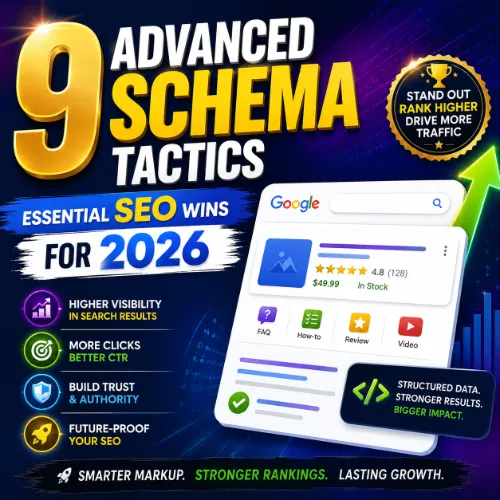
advanced schema tactics Key Takeaways
Implementing advanced schema tactics is no longer optional for competitive SEO—it’s a proven way to earn richer SERP features, improve click-through rates, and signal topical authority to search engines.
- Learn how to select the right schema types for different content formats, from FAQ to video.
- Discover implementation steps and real-world examples for each tactic.
- Get a ready-to-use checklist to audit and enhance your current schema strategy.
Why Advanced Schema Tactics Matter for Modern SEO
Structured data helps search engines understand the context and relationships within your content. While basic schema markup like Organization or WebPage is a good start, the real traffic gains come from schema markup strategies that target specific SERP features. A well-executed schema can land your pages in featured snippets, video carousels, HowTo steps, and local packs—all of which boost visibility without additional ad spend.
The following nine tactics are designed for sites already using basic schema. Each includes a clear explanation, implementation guidance, and a real example so you can adapt them to your own projects. For a related guide, see 28 Hyper-Personalization Tactics Using AI That Actually Work.
Frequently Asked Questions About advanced schema tactics
What are advanced schema tactics ?
Advanced schema tactics refer to structured data strategies beyond basic markup, such as using FAQ, HowTo, Video Object, and clustered FAQ schemas to target specific SERP features and improve user engagement metrics.
Why are schema tactics important for SEO?
Schema helps search engines understand content context, which can lead to rich results, higher click-through rates, and better visibility. Advanced tactics go deeper to capture niche SERP opportunities.
What is the best schema for local businesses?
LocalBusiness schema combined with Place and opening hours markup is the best choice for physical locations. For multiple locations, use separate pages with independent schema per location.
Can I use multiple schema types on one page?
Yes, but they must be compatible. For example, you can combine FAQ and Article schema on a blog post. Avoid mixing conflicting types like Product and Event on the same page.
Does FAQ schema guarantee a rich result?
No, Google decides whether to display a rich result based on relevance, quality, and user experience. Proper implementation increases the chance but doesn’t guarantee it.
How do I test my schema markup?
Use Google’s Rich Results Test or Schema.org Validator. Both tools highlight errors and preview how the markup may appear in search results.
What is the difference between JSON-LD and microdata?
JSON-LD is a JavaScript-based format that Google recommends. Microdata is inline HTML markup. JSON-LD is easier to maintain and less likely to break during site updates.
How often should I update my schema?
Update schema whenever the page content changes significantly—such as price updates, new dates, or revised Q and A. Also, check monthly for new schema types relevant to your content.
Can schema improve voice search results?
Yes, FAQ and HowTo schemas are particularly effective for voice search because they provide direct, structured answers that voice assistants can read aloud.
What is a schema cluster?
A schema cluster is a group of interlinked pages that each use FAQ or other schema types to cover a broad topic comprehensively. This signals topical depth to search engines and can improve rankings for multiple related queries.
Do I need a developer to implement advanced schema?
Not necessarily. Many CMS plugins (Yoast, Rank Math, Schema Pro) allow point-and-click schema setup. However, custom JSON-LD may require developer help for complex tactics like event clusters. For a related guide, see 7 Underrated SEO Strategies That Are Surprisingly Powerful.
How does Video Object schema work?
Video Object schema tells Google about the video’s title, description, thumbnail, duration, and upload date. Proper markup can get your video into Google’s video carousel and video tab results.
What is the impact of broken schema?
Broken schema (e.g., missing required fields or incorrect values) can prevent rich results from appearing and may trigger manual action warnings in Google Search Console. Always test before going live.
Can schema help with Core Web Vitals?
Schema itself does not affect Core Web Vitals scores, but it can improve user engagement metrics like time on page and bounce rate, which are indirectly related to page experience signals.
Should I use schema on every page?
Prioritize pages that can benefit from rich results: articles, product pages, local landing pages, and tutorials. Thin or low-value pages don’t need schema.
What is the most common schema mistake?
Creating schema for content that isn’t visible on the page—like adding FAQ questions that aren’t actually answered in the text. Google treats this as a violation and may ignore the markup.
How do I monitor schema performance?
In Google Search Console, go to the “Enhancements” section. Each schema type (FAQ, HowTo, etc.) has its own report showing valid items, errors, and warnings.
Can I use schema for a single-page app (SPA)?
Yes, but you must ensure the schema is injected server-side or rendered client-side with proper hydration. Google can parse JavaScript-rendered schema, but server-side rendering is more reliable.
What is the future of schema in SEO?
As search engines move toward AI-driven understanding, schema will become even more important for defining entities and relationships. Early adopters of advanced schema tactics will have a competitive edge.
How long does it take to see results from schema?
Typical timelines range from one week to three months. Some changes appear quickly in testing tools, but organic impact depends on crawl frequency and competition for the target keywords.