
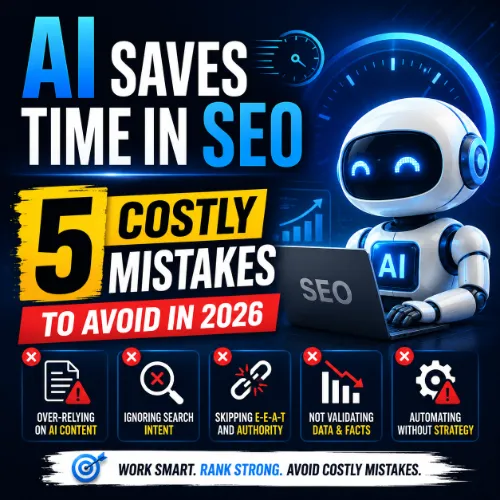
AI saves time in SEO Key Takeaways
AI saves time in SEO by automating repetitive tasks like keyword research, content drafting, and competitor analysis.
- AI saves time in SEO across research, writing, and technical audits.
- Automated reporting and data analysis reduce hours of manual spreadsheet work.
- AI-driven content optimization helps rank faster with fewer edits.
Why AI saves time in SEO for Modern Marketers
Search engine optimization has grown more complex. Between algorithm updates, content saturation, and user experience signals, the workload can overwhelm even experienced teams. That’s where artificial intelligence steps in. By handling tedious tasks like data gathering and pattern recognition, AI saves time in SEO and frees you for higher-level thinking. For a related guide, see 10 AI SEO Hacks That Actually Work (Proven Results).
Whether you work at an agency, in-house, or as a freelancer, the right AI tools can cut your weekly hours in half. The key is knowing where to apply them. Below are ten proven ways to integrate AI into your daily SEO workflow.
10 Proven Ways AI saves time in SEO
1. Automated Keyword Research and Clustering
Traditional keyword research involves exporting thousands of terms, analyzing search volumes, and grouping them by intent. AI tools like Ahrefs Keywords Explorer or SEMrush Keyword Magic Tool now offer smart clustering. They automatically group related queries by topic and search intent. This AI improves SEO efficiency by turning a three-hour job into a ten-minute setup. For a related guide, see 9 Smart Ways AI Is Replacing Traditional SEO Tasks.
Tool example: Frase.io uses natural language processing (NLP) to generate keyword clusters from a seed term, including questions and related terms.
2. AI-Powered Content Briefs
Writing a content brief usually means manually analyzing top-ranking pages and extracting headings, word counts, and entities. AI content briefing tools like Clearscope or MarketMuse analyze the top 20 results and output a structured brief with recommended terms and sections. This AI saves time in SEO because the brief arrives ready for your writer.
Tool example: Clearscope’s Content Brief feature automatically lists relevant terms, questions, and suggested word count based on ranking competitors.
3. Faster Content Generation and Drafting
AI writing assistants such as Jasper, Writesonic, and ChatGPT can produce first drafts in seconds. Instead of staring at a blank page, you feed the AI your brief and get a structured article draft. You then edit, fact-check, and optimize. The drafting phase shrinks from hours to minutes, which is a clear example of how AI saves time in SEO without sacrificing quality.
Tool example: Jasper’s long-form assistant can generate a 1,500-word blog post from a short outline in under five minutes.
4. Automated Internal Linking Suggestions
Internal linking is critical for SEO but tedious to do manually. Tools like Link Whisperer and Yoast’s internal linking feature scan your entire site and suggest relevant internal links using AI. You review and approve. This simple process improves SEO efficiency significantly because you avoid hunting through old posts.
Tool example: Link Whisperer automatically suggests internal links as you write new content, using semantic matching.
5. Intelligent SERP Analysis and Opportunity Detection
Analyzing search engine results pages (SERPs) for featured snippets, People Also Ask boxes, and AI Overviews used to require manual inspection of every query. AI-powered rank trackers like AccuRanker and STAT now identify SERP features automatically. They highlight which pages can win a featured snippet. This AI saves time in SEO by directing your effort toward the highest-impact opportunities.
Tool example: STAT Search Analytics automatically captures SERP feature data at scale, so you can spot snippet opportunities without visiting Google each day.
6. Technical SEO Audits with AI Diagnostics
Running a technical audit means crawling thousands of URLs, checking for broken links, duplicate meta tags, and slow pages. AI-powered crawlers like DeepCrawl and Sitebulb now prioritize issues by impact. They also suggest fixes. Instead of sifting through hundreds of errors, you get a ranked action list. That’s why AI saves time in SEO audits more than any other area.
Tool example: Sitebulb uses AI to prioritize crawl issues based on traffic and conversion data, not just error count.
7. Automated Image and Video Optimization
Media optimization — compressing images, writing alt text, generating captions — can take hours. AI tools like Cloudinary and VidIQ do this in batches. They analyze image content and write descriptive alt tags automatically. For video, AI generates transcriptions and captions. This improves SEO efficiency especially for content-heavy sites like ecommerce and publishers.
Tool example: Cloudinary’s AI automatically generates alt text for product images using computer vision.
8. Predictive Performance and Traffic Forecasting
Wondering how much traffic a new post might bring? AI-based analytics tools like BrightEdge and SearchPilot use historical data to predict ranking changes and traffic impact. They simulate different scenarios — like changing a title or adding internal links — and estimate the effect. You make data-driven decisions faster, which AI saves time in SEO strategy sessions.
Tool example: BrightEdge’s Content Intelligence predicts which topics have the highest growth potential for your niche.
9. Competitor Content Gap Analysis
Manual competitor analysis involves exporting each competitor’s keywords, checking overlap, and identifying missing terms. AI-driven tools like Ahrefs Content Gap and SEMrush’s Keyword Gap automate this entirely. They show you which keywords competitors rank for but you don’t, organized by search volume and difficulty. This AI improves SEO efficiency because you can immediately target new topics.
Tool example: Ahrefs’ Content Gap report lets you enter up to ten competitors and instantly see missing keyword opportunities.
10. Smart Reporting and Dashboard Automation
Weekly and monthly reporting eats up hours of manual data collection, formatting, and chart creation. AI reporting tools like Google Looker Studio with natural language queries and tools like AgencyAnalytics use automation to pull real-time data. They even write summary narratives. This final way AI saves time in SEO ensures you spend less time in spreadsheets and more time client-facing.
Tool example: AgencyAnalytics auto-generates monthly SEO reports with traffic trends, ranking changes, and backlink growth in plain English.
SEO Entities and Their Functions
Understanding key SEO entities helps you apply AI tools more effectively. Here are the most relevant for the techniques described above:
- Keyword entities: organic keywords, keyword difficulty (KD), search volume, and SERP features show demand, competition, and ranking opportunity. AI tools analyze these to prioritize terms.
- Backlink entities: referring domains, anchor text, dofollow/nofollow links, and broken backlinks reveal authority and risk. AI automates link audits and outreach lists.
- Content entities: articles, authors, topics, social shares, and referring domains help evaluate editorial quality. AI content briefs rely on these signals.
- Technical SEO entities: crawl issues, redirect chains, canonicals, and Core Web Vitals expose obstacles. AI crawlers prioritize fixes that matter most.
- Competitor entities: competing domains, content gaps, and shared keywords show where rivals win traffic. AI gap tools make this data actionable instantly.
Useful Resources
Learn more about integrating AI into your SEO workflow from these authoritative sources:
- Ahrefs: AI SEO Tools That Actually Work — A detailed review of current AI tools for keyword research, content generation, and technical audits.
- Search Engine Land: AI in SEO — A Complete Guide — Comprehensive guide covering how to apply AI for ranking, reporting, and strategy.
AI saves time in SEO across many tasks, from research to reporting. By adopting the tools and techniques above, you can streamline your workflow and focus on what truly moves the needle: strategy, creativity, and results.
Frequently Asked Questions About AI saves time in SEO
How does AI save time in keyword research?
AI tools cluster related keywords by intent and search volume, eliminating manual grouping. This reduces research time from hours to minutes.
Can AI write SEO content that ranks?
Yes, AI can produce well-structured first drafts. Human editing is still needed for accuracy, tone, and strategic optimization, but the drafting time is cut significantly.
What is the best AI tool for content briefs?
Clearscope and MarketMuse are the most popular. They analyze top-ranking pages and generate comprehensive briefs with recommended terms and headings.
Does AI help with technical SEO audits?
Yes. AI-powered crawlers like Sitebulb prioritize issues by impact, saving you from sifting through hundreds of low-priority errors.
How does AI improve internal linking?
AI scanning tools suggest relevant internal links based on semantic similarity and context, which you can approve in seconds instead of manually searching your archive.
Can AI predict which pages will rank?
Yes. Tools like BrightEdge and SearchPilot use historical data and machine learning to forecast traffic and ranking potential for new or updated content.
Is AI reliable for SEO reporting?
Highly reliable. AI reporting tools pull live data from multiple sources, auto-generate charts, and even write summary narratives, reducing errors from manual copying.
What about image alt text — can AI do that?
Yes. Computer vision AI can analyze image content and generate descriptive alt text automatically, improving accessibility and SEO without manual effort.
Does AI help with competitor analysis?
Absolutely. AI gap analysis tools compare your keyword profile against competitors and highlight immediate opportunities for new content.
How much time can AI save in SEO per week?
Depending on your workload, AI can save between 10 and 25 hours per week by automating research, writing, auditing, and reporting tasks.
Will AI replace SEO jobs?
No. AI handles repetitive tasks, but strategic thinking, creative content, and relationship building remain human-led. SEO roles will evolve, not disappear.
What’s the best free AI tool for SEO?
Google’s free tools like Google Search Console with Looker Studio, along with the free tiers of ChatGPT and Frase.io, offer solid entry points without cost.
Can AI help with local SEO?
Yes. AI tools can automate local citation tracking, review monitoring, and local keyword discovery. BrightLocal and Moz Local are good options.
Does Google penalize AI-generated content?
Google penalizes low-quality content regardless of origin. Useful, original AI-assisted content is fine. Always fact-check and add unique insight.
What is the largest time-saving use of AI in SEO?
Technical SEO audits and reporting typically save the most time because they involve crawling, data collection, and formatting — all highly automatable.
How do I start using AI for SEO?
Start small. Pick one task — like keyword clustering or content briefs — try a free tool, and measure the time difference. Expand from there.
Can AI find broken backlinks?
Yes. Tools like Ahrefs and Monitor Backlinks use AI to identify broken backlinks and suggest replacement pages for outreach campaigns.
Does AI work for ecommerce SEO?
Very well. AI handles product description generation, alt text for images, meta tags at scale, and dynamic internal linking for category pages.
Is AI good for voice search optimization?
Yes. AI can analyze conversational queries and generate FAQ content optimized for voice search. It also identifies natural language question patterns.
What are common mistakes when using AI for SEO?
Over-relying on raw AI output without editing, ignoring brand voice, and failing to verify facts are the top three mistakes. Always review before publishing.